Coffee Buying Guides: 130 Expert Guides
127 independent guides on specialty coffee: origins, brewing methods, equipment, post-harvest processing, varieties, and roasting. Each guide is written to help you make a genuinely informed choice.
Buying Guides
59 guidesHow to Make a Cortadito: Cuban Recipe and Espuma
Cortadito recipe: a sweetened Cuban espresso, whipped with sugar into a caramel espuma, then cut with a near-equal part of warm milk and served in a 90 to 120 ml demitasse. The espuma method plus the differences with a cortado and a cafecito.
How to Make Iced Shaken Espresso: The Shaken Coffee Recipe
How to make iced shaken espresso: shake 2 espresso shots (60 ml) with a little syrup and ice for 15 to 20 seconds until foamy, then top with cold milk. Includes the brown sugar variation, iced shaken espresso versus iced latte, steps and common mistakes.
Catimor Coffee Variety: Profile, Origin and the Quality Debate
Catimor is a Caturra x Hibrido de Timor hybrid group: rust-resistant, high-yielding arabica. Origin, genetics, cup profile, the quality controversy and sub-varieties.
Pink Bourbon Coffee Variety: Profile, Genetics Debate and Hype
Pink Bourbon explained: pink cherries, the recent genetics debate (Bourbon or Ethiopian-origin landrace?), Colombia and Huila terroir, sensory profile, price, and why specialty coffee loves it.
Wush Wush Coffee Variety: Profile and Rarity Explained
Wush Wush: an Ethiopian landrace from the Keffa region, now grown in Colombia. Floral, fruit-forward cup, low yield, scarce supply and premium pricing.
How to Make a Breve Coffee: Recipe and Ratio
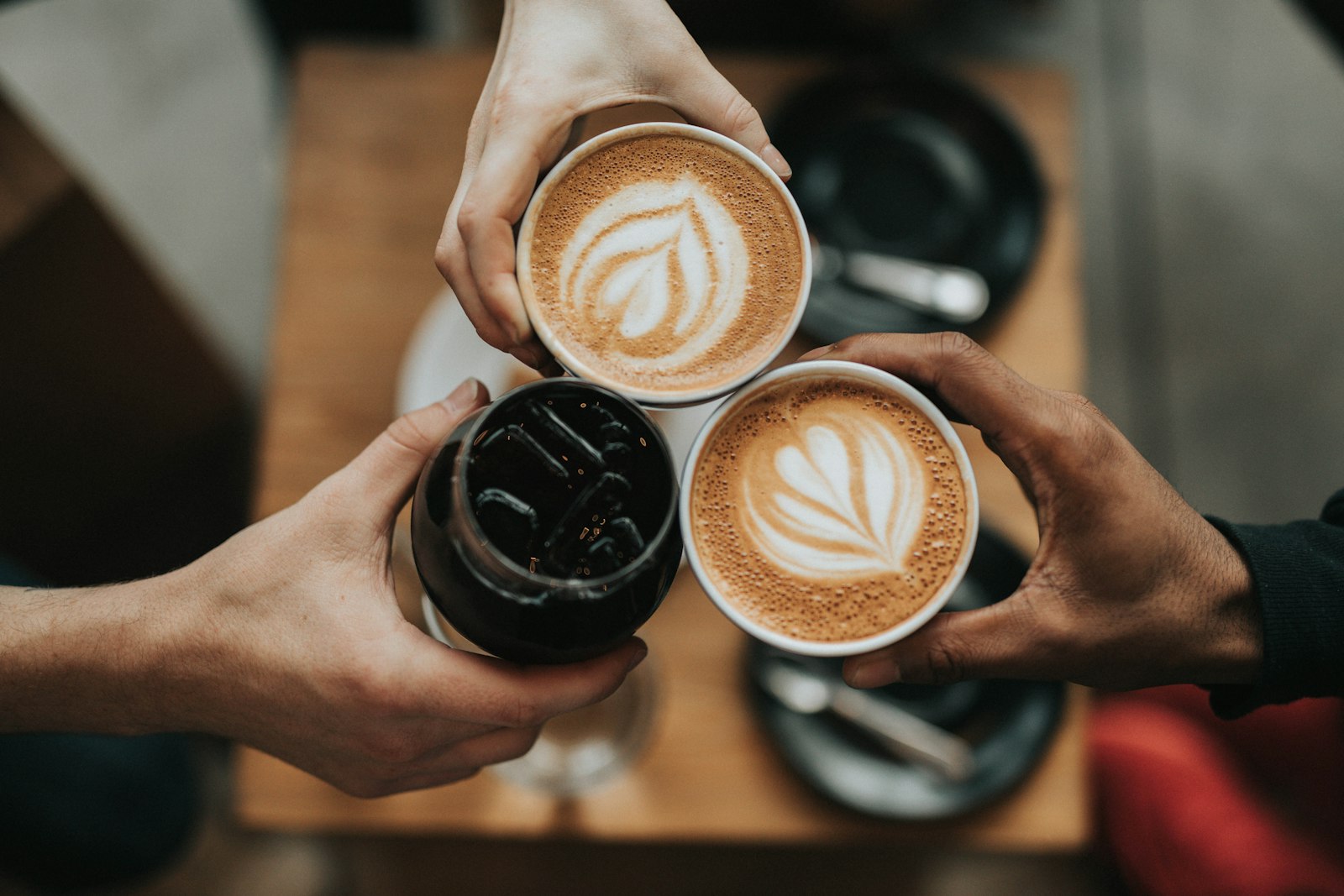
Breve coffee recipe: an espresso (or double espresso) topped with steamed half-and-half, the American blend of whole milk and cream. Coffee-to-half-and-half ratio of about 1:2, European substitute, texture, breve vs latte and common mistakes.
How to Make a Marocchino: Recipe and Origin
How to make a marocchino, the Italian coffee from Alessandria in Piedmont: a small glass dusted with cocoa, an espresso, a thin layer of milk foam, then a second cocoa dusting. Step-by-step method, the chocolate-lined glass, regional variants and how it differs from a mocaccino.
How to Make a Café Bombón: Recipe and Ratio
Café bombón recipe: an espresso poured over sweetened condensed milk in equal parts (1:1 ratio), served in a small clear glass that shows the two layers. Step-by-step method, Valencian origin, variations and common mistakes.
Coffee Stains on Teeth: How to Prevent and Limit Them
Why coffee stains teeth and how to limit it: chromogens and tannins, the acquired pellicle, acidity and enamel erosion, rinsing with water, brushing timing, straws, scaling and whitening. Neutral, sourced summary. General information, not dental advice.
Coffee and Gout: Uric Acid and What the Science Says
Coffee and gout: what studies show on uric acid, caffeinated versus decaf coffee, cohorts and meta-analyses, plus the caution around sudden intake changes. Neutral, sourced summary citing EFSA and rheumatology. General information, not medical advice.
How to Make Cuban Coffee (Cafecito)
How to make Cuban coffee (cafecito): brew espresso in a moka pot, then whip sugar with the first drops to build the espuma, a sweet, creamy foam. Step-by-step method, quantities, and how the colada and cortadito differ.
Coffee and Liver Health: What the Science Says
Coffee and the liver: what studies show on fibrosis, cirrhosis, fatty liver (NAFLD), liver cancer and liver enzymes. Neutral, sourced summary citing EFSA, WHO/IARC and meta-analyses. General information, not medical advice.
Coffee and Type 2 Diabetes: What to Know About Blood Sugar
Coffee and type 2 diabetes: what the meta-analyses say about risk per cup, caffeine's effect on blood sugar and insulin sensitivity, decaffeinated coffee, chlorogenic acid and the sweetened-coffee trap.
Does Coffee Dehydrate You? What the Evidence Actually Shows
Does coffee dehydrate you? Not at normal intakes. Caffeine is a mild diuretic, but coffee is roughly 98% water and your net fluid balance stays positive. The Killer 2014 study, EFSA, the British Nutrition Foundation, plus sport and heat context.
Coffee and Headaches or Migraine: Trigger or Remedy?
Caffeine can both relieve and trigger headaches and migraine. Vasoconstriction and adenosine, caffeine as a painkiller adjuvant, withdrawal headache, safe limits and timing advice.
How to Make Cold Foam for Cold Brew and Iced Coffee
How to make cold foam at home: a no-heat milk foam, coffee-shop style. Whip 60 ml cold semi-skimmed milk for 20 to 30 seconds with a handheld frother, plus French press and shaker methods, sweet cream and vegan oat or soy variations.
Coffee and Digestion: Acid, Reflux and Gut Motility, What Science Says
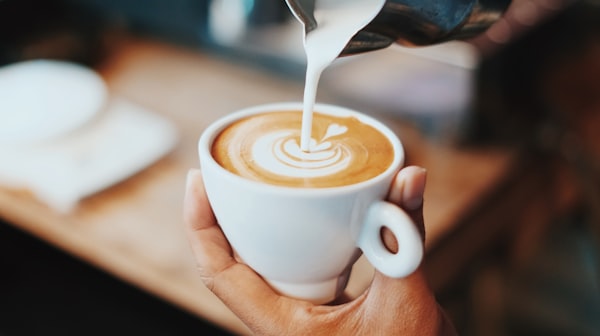
Coffee and digestion explained by the evidence: gastric acid and gastrin, the laxative effect (colon motility within 4 minutes), acid reflux (GERD), roast level and the gut microbiome. EFSA and gastroenterology sources. General information, not medical advice.
Coffee and Blood Pressure: What the Science Actually Shows
Does coffee raise blood pressure? Caffeine causes a short-term spike (around 8 mmHg systolic) in non-habitual drinkers, but habitual coffee intake does not raise hypertension risk. EFSA, ESC and AHA guidance explained.
Coffee and Iron Absorption: What the Science Says
Coffee cuts non-heme iron absorption by about 39% when drunk with a meal (Morck 1983), versus about 64% for tea. How polyphenols work, heme vs non-heme iron, the one-hour window, vitamin C, and who should be careful.
Latte vs Cappuccino vs Flat White: Differences Explained
Latte vs cappuccino vs flat white: cup sizes (240 to 360 ml vs 150 to 180 ml vs 160 to 200 ml), single shot vs double ristretto, foam thickness, milk ratios, caffeine (63 vs 126 mg) and origins compared.
Americano vs Lungo vs Long Black: Three Black Coffees, Three Methods
Americano, lungo and long black compared: water added after extraction, extended extraction through the grounds, or espresso poured over hot water. Volume, caffeine, bitterness, crema and origin explained.
Cortado vs Piccolo vs Macchiato: What Is the Difference?
Cortado, piccolo latte and espresso macchiato compared: ratios (1:1, 1:2, 2:1), volumes from 40 to 120 ml, milk texture, glassware, origins and caffeine (about 63 mg per single shot). Never order the wrong one again.
How Much Caffeine Is in a Cappuccino vs a Latte?
How much caffeine is in a cappuccino vs a latte? With the same number of espresso shots, they are identical: milk adds no caffeine. Caffeine by drink (USDA) explained.
Caffeine: Americano vs Espresso, Which Has More?
How much caffeine is in an americano versus an espresso? The straight answer: for the same number of shots they hold the same caffeine. Water dilutes the volume, not the dose. Comparison table for espresso, americano, lungo and long black.
How Much Caffeine Is in Decaf Coffee?
A cup of decaf coffee holds about 2 to 5 mg of caffeine, versus 80 to 100 mg for regular coffee. EU and FDA limits, a clear comparison table, and brief sleep and pregnancy notes.
How to Make an Espresso Macchiato: Recipe and Ratio
Espresso macchiato recipe: a single or double espresso marked with a dash of steamed milk or foam, about 10 to 30 ml of milk, for a 40 to 80 ml serve. Steps, temperatures and an espresso macchiato vs latte macchiato vs cortado vs cappuccino table.
How to Make an Americano (and Long Black): Recipe and Ratio
Americano recipe: an espresso lengthened with hot water, an espresso-to-water ratio of 1:2 to 1:4 (often 1:3), served at 150 to 240 ml. The difference with a long black (reversed pour order that keeps the crema), step-by-step method and an americano vs long black vs lungo vs espresso table.
How to Make a Mocha at Home: Recipe and Ratio
Homemade mocha recipe: an espresso, chocolate (syrup or melted dark chocolate) and steamed milk, a coffee-chocolate drink served in a 240 to 350 ml cup. Steps, ratios, temperatures and a mocha vs latte vs cappuccino vs hot chocolate table.
How to Make an Affogato: the Italian Recipe
Affogato recipe: a scoop of vanilla or fior di latte gelato (about 100 g) drowned under a short, hot espresso (25 to 30 ml). Hot-and-cold contrast, step-by-step method, variations and an affogato vs iced latte vs coffee dessert table.
How to Make an Iced Latte: Recipe and Ratio
Iced latte recipe: 1 to 2 espresso shots (30 to 60 ml) poured over cold milk (120 to 180 ml) and ice, for a coffee-to-milk ratio of about 1:3. Anti-dilution tip, step-by-step method and an iced latte vs hot latte vs cold brew vs iced espresso table.
How to Make Dalgona Coffee (Whipped Coffee)
Dalgona coffee recipe: instant coffee, sugar and hot water in equal parts (1:1:1 ratio, 2 tablespoons each), whipped into a thick caramel-coloured foam spooned over hot or iced milk. Steps, whisking times and a tool comparison table.
How to Make a Cortado: Recipe and Ratio
Cortado recipe: an espresso (single or double) cut with an equal part of lightly steamed milk, a 1:1 coffee-to-milk ratio, served in a small 90 to 130 ml glass. Step-by-step method, temperatures and a cortado vs macchiato vs flat white vs piccolo table.
How to Make a Cappuccino: Recipe and Ratio
Cappuccino recipe: a single or double espresso (25 to 60 ml), steamed milk and a thick foam of about 1 to 2 cm, in a 5 to 6 oz cup for a serving volume of 150 to 180 ml. Classic Italian one-third ratio. Step-by-step method and a cappuccino vs latte vs flat white table.
How to Make an Espresso Tonic: Recipe and Ratio
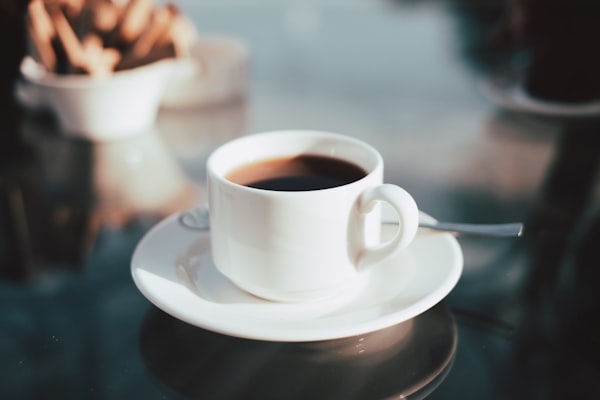
Espresso tonic recipe: a single or double espresso (30 to 60 ml) poured slowly over tonic water (120 to 150 ml) and plenty of ice, in a highball glass. Coffee poured last for the layered effect. Steps, ratios and a variations table.
How to Make a Flat White: Recipe and Ratio
Flat white recipe: a double ristretto or espresso (40 to 60 ml) poured under a thin layer of microfoam, in a 150 to 160 ml cup, for a coffee-to-milk ratio of about 1:3 to 1:4. Step-by-step method, temperatures and a flat white vs latte vs cappuccino table.
What Is Specialty Coffee: A Complete Definition
Specialty coffee is coffee that scores 80 points or higher out of 100 on the SCA evaluation protocol. The definition, the score, traceability, the q-grader and common myths.
How Many Cups of Coffee Per Day: What the Science Says
How many cups of coffee per day? Health authorities consider up to 400 mg of caffeine a day safe for healthy adults, roughly 3 to 5 cups depending on size and brew method, and 200 mg a day during pregnancy. Figures in mg, tolerance and limits explained.
The SCA Score Explained: How Specialty Coffee Is Graded Out of 100
Understand the SCA score: specialty coffee is graded with the SCA cupping protocol, qualifies as specialty at 80/100, and the score aggregates 10 attributes assessed by Q Graders. Tiers, the attribute table and the new CVA framework explained.
Coffee-to-Water Ratio by Method: The Complete Reference
The reference coffee-to-water ratio by method: pour-over 1:16 to 1:17 (60 g/L), espresso 1:2, AeroPress 1:14, French press 1:15, cold brew 1:8. Ratio table, g/L and spoon conversions, step-by-step tuning.
How to read a specialty coffee label: everything written on the bag
Decode a specialty coffee label: origin, variety, process (washed, natural, honey), altitude, roast date, roast profile, tasting notes and SCA score. The signals that separate real specialty coffee from marketing.
V60 vs Chemex vs Kalita Wave: which pour-over to choose?
V60, Chemex or Kalita Wave: a complete comparison of the three reference pour-over brewers. Shape, filter, speed, cup profile, difficulty and pouring tips to choose the right one for you.
Washed vs Natural vs Honey Process: How Coffee Processing Shapes Flavour
Washed, natural or honey: understand the three main coffee processing methods and their concrete impact on acidity, body, sweetness and consistency in the cup.
Conical vs flat burrs: which to choose for your grinder
Conical or flat burrs for your coffee grinder? A clear comparison: grind uniformity, cup profile, heat, noise, retention, price and ideal use. Conical = round, versatile cup; flat = clear, defined cup for espresso.
How to make latte art: a beginner's guide
Learn latte art as a beginner: silky microfoam at 60-65 °C, an espresso with good crema, and the pouring technique to nail the heart and then the rosetta. Numbered steps and beginner mistakes to avoid.
Coffee on an Empty Stomach: Good or Bad Idea?
Coffee on an empty stomach: good or bad idea? For most healthy people it's safe. Gastric acid, caffeine absorption, the cortisol myth: what the science says, with no personalised medical advice.
Coffee and Cholesterol: Cafestol and the Role of the Filter
Coffee and cholesterol: coffee contains diterpenes (cafestol and kahweol) that can raise LDL. A paper filter retains most of them, so filter coffee has little effect, while unfiltered coffee (French press, boiled, espresso) contains more. Explained with authoritative sources.
Whole Milk vs Plant Milk for Latte Art: Which Foams Best
Whole milk or plant milk for latte art? A microfoam comparison: protein vs fat, barista milks (oat, soy), 60 to 65 °C steaming temperature and a table by milk type.
Whole bean vs capsules vs ground coffee: quality, cost and which to choose
Whole bean, ground or capsules: a full comparison of cup quality, cost per kilo, convenience and waste. Side-by-side table and advice on which format suits you.
Tap, Filtered or Bottled Water for Coffee: Which Should You Use?
Tap, filtered or bottled water for coffee? Full comparison with the SCA target of around 150 ppm total hardness, neutral pH, zero chlorine, a practical table and how to adjust your water.
How to Descale and Clean Your Espresso Machine
Descaling and cleaning an espresso machine are two separate tasks. Step-by-step descaling based on water hardness, plus weekly backflushing with a coffee detergent.
How to Froth Milk Without a Machine: 4 At-Home Methods
Froth milk without a steam wand: shaken jar plus microwave, French press, battery frother or whisk. Step-by-step home methods, milk at 60-65 C for fine, stable foam.
Coffee and sleep: caffeine half-life and how late you can drink coffee
Caffeine has a half-life of roughly 5 to 6 hours (ranging from 1.5 to 9 h depending on metabolism). To protect sleep, it helps to avoid caffeine 6 to 8 hours before bed. Key facts, individual factors and a bedtime / last coffee table.
Moka Pot Overflowing or Not Brewing: Causes and Fixes
Moka pot overflowing or coffee not coming up? Causes (heat too high, packed or too-fine grind, water above the valve, worn gasket, poor seal) and step-by-step fixes for a clean brew.
How to Tell If Coffee Is Stale or Expired
How to tell if coffee is stale or expired. Coffee does not become dangerous, it loses its aromas. Signs, the bloom test, roast date versus best-before, and how long coffee keeps, beans versus ground.
V60 Draining Too Slow or Stalling: Causes and Fixes
Is your V60 draining too slowly or stalling completely? Causes (grind too fine, fines, over-agitation, pouring too fast) and step-by-step fixes to hit a target brew time of 2:30 to 3:30 for 15 g.
Papery or musty coffee taste: causes and fixes
Does your coffee taste papery or musty? The causes differ: an unrinsed paper filter or stale, oxidised coffee for papery; storage humidity and damp equipment for musty. Diagnosis and step-by-step fixes.
Milk foam full of big bubbles: how to get microfoam
Milk foam full of big bubbles? Diagnose the causes (wand too deep, aeration too long, wrong milk) and follow a step-by-step method to get smooth, glossy microfoam at 60-65 °C.
Coffee Filter: Paper vs Metal vs Cloth, Cup Impact and Which to Choose
Paper, metal or cloth coffee filter: a full comparison of how each shapes clarity, body, oils and cafestol. Comparison table, cup profiles and how to choose for your brew method.
Espresso With No Crema: Causes and Fixes
No crema on your espresso? Here is why and how to fix it: stale coffee, grind size, 9 bar pressure, dose and water temperature. Step-by-step diagnosis with a symptom-cause-fix table.
Burnt or Ashy Coffee: Causes and Fixes
Coffee tastes burnt or ashy? The real causes (too dark a roast, water above 96 C, over-extraction, dirty or overheated equipment) and a step-by-step fix to get a clean cup again.
Milk Not Frothing: Causes and Fixes
Milk won't froth? Causes (overheated milk, skimmed milk, non-barista plant milk, wrong steam wand position) and step-by-step fixes for silky microfoam at 60-65 °C.
Metallic or Astringent Coffee Taste: Causes and Fixes
Coffee tastes metallic or astringent? Metallic usually comes from the water (metals, chlorine, poor mineral balance); astringency is tannin over-extraction. Causes and step-by-step fixes.
Espresso Choking: When the Grind Clogs the Puck (Causes and Fixes)
Espresso not pouring (choking)? Causes (grind too fine, over-dosing, over-tamping, clogged basket) and step-by-step fixes to free the flow and get back to 25 to 30 s.
Moka vs espresso vs AeroPress: intensity, method and which to choose
Moka pot, espresso or AeroPress: which method should you choose? A clear comparison of pressure (9 bar for espresso, 1 to 2 bar for the moka), grind, ratio and cup profile to find the method that fits you.
Coffee Too Sour: Causes and Fixes
Sour or overly acidic coffee is almost always under-extraction. Fix it by grinding finer, extending the brew, and raising water temperature to 92-96 C. Step-by-step method and symptom-cause-fix table.
Coffee Too Bitter? Causes and Fixes
Coffee too bitter? The main cause is over-extraction. Full diagnosis and step-by-step fixes: grind coarser, shorten brew time, lower water temperature (90 to 96 C), check ratio and clean your gear.
Caffeine: Espresso vs Filter vs Cold Brew vs Ristretto
How much caffeine is in espresso, filter coffee, cold brew and ristretto? A sourced comparison in mg per cup and mg per 100 ml, with EFSA daily intake guidance.
Espresso Running Too Fast or Too Slow (Channeling): Diagnosis and Fixes
Espresso gushing, dripping, or spraying unevenly? A complete diagnosis of shot time and channeling: target times, causes (grind, dose, tamp) and step-by-step fixes for an even extraction.
Why My Coffee Is Weak or Watery: Under-Extraction Explained
Is your coffee weak or watery? The cause is under-extraction or a too-diluted ratio. Full diagnosis and step-by-step fixes: grind finer, extend contact time, raise water to 92 to 96 C, increase the dose.
Best Water Filters and Systems for Coffee 2026
The best water for coffee in 2026. Filters and water systems compared: Brita Marella XL, BWT Penguin, ZeroWater, Aarke Purifier, Third Wave Water, TDS meter. SCA water profile, filtration vs remineralisation, verified EUR prices.
Best French Press 2026: Ranked by Use
Best French press coffee makers 2026 ranked by use: Bodum Brazil (~22 EUR), Bodum Chambord (~35 EUR), Espro P3 (~49 EUR), Fellow Clara (~90 EUR), Frieling (~109 EUR), Espro P7 (~149 EUR). Glass vs steel, single vs double filter, verified EUR prices.
Best pour-over coffee drippers 2026: the full comparison
The best pour-over drippers of 2026 compared: Hario V60, Chemex, Kalita Wave 185, Origami, Orea V4, April Brewer, Hario Switch. Geometry, flow rate and EUR prices (from 22 to 50 EUR).
Best Moka Pots 2026: Aluminium vs Stainless and Induction Compared
Best moka pots 2026 compared: Bialetti Moka Express, Grosche Milano, Bialetti Brikka, Bialetti New Venus (stainless, induction), Alessi 9090. Aluminium vs stainless steel, induction compatibility and the basic brewing recipe, with prices in euros.
Best Milk Frothers 2026: Ranked by Use and Budget
Best milk frothers 2026 ranked by use: Subminimal NanoFoamer V2 (~39 EUR), NanoFoamer Lithium (~50 EUR), Bodum Latteo (~20 EUR), Nespresso Aeroccino 4 (~89 EUR), Sage Milk Café (~149 EUR), IKEA Produkt. Microfoam for latte art vs dry foam, verified EUR prices.
Best Coffee Storage Containers 2026: Vacuum, Valve and Opacity Compared
Best coffee storage containers 2026 compared: Fellow Atmos vacuum canister (~44.90 EUR), Airscape Kilo (~54.90 EUR), Coffeegator, TightVac CoffeeVac, Hario. Vacuum vs valve, opacity and verified EUR prices.
Best Cold Brew Makers 2026: Immersion vs Slow Drip
Best cold brew makers 2026 with verified EUR prices: Hario Mizudashi (25.90 EUR), Hario Filter-in (32.90 EUR), Toddy Cold Brew System (49.90 EUR), Hario Cold Brew Pitcher (59.90 EUR), Hario Water Dripper slow drip tower (310 EUR). Immersion vs slow drip, base recipe and mistakes to avoid.
Iced Espresso at Home 2026: Method and Recipes
A technical guide to iced espresso at home in 2026: the core method (pull it tight, pour over ice, control dilution), verified recipes (espresso tonic, iced latte, shakerato, Japanese flash brew) and the mistakes that ruin the cup. Iced espresso, cold brew and iced coffee finally untangled.
Best Smart Coffee Makers 2026: App-Connected Machines Ranked
The best smart, app-connected coffee makers of 2026: Fellow Aiden, xBloom Studio, Smarter Coffee, Meticulous Espresso. An honest look at what connectivity really does, with verified EUR prices (239 to 1880 EUR).
Co-Fermented and Infused Coffee: the 2026 Guide to the Process and the Debate
Co-fermented and infused coffee explained: definitions, the process (fruit, yeast, pH and temperature control), the authenticity versus flavour-engineering debate, and the verified producers who shaped the movement (Sasa Sestic, Finca El Paraiso, Finca Deborah, La Palma y El Tucan).
Pressure Profiling at Home (Espresso): 2026 Guide
Pressure profiling home espresso in 2026: the pressure curve explained (pre-infusion, peak, decline), pressure versus flow profiling, and the machines that genuinely do it (Cafelat Robot, Flair 58, Decent DE1 Pro). Verified EUR prices.
Best Espresso Machines 2026: Ranked by Budget and Level
Seven machines ranked by budget and level: Gaggia Classic Evo Pro, Sage Bambino, Sage Barista Express, Lelit Anna, Rocket Appartamento, Lelit MaraX and ECM Classika PID. Single vs dual boiler, 9 bar and PID explained.
Best Espresso Machines With Built-In Grinder 2026: The All-in-One Round-Up
Six all-in-one machines ranked by budget: Sage Barista Pro, Barista Express Impress, De'Longhi La Specialista Arte Evo and Maestro, Gaggia Cadorna Prestige, Philips 3200 LatteGo. Semi-automatic vs bean-to-cup, pros and cons.
Best Coffee Scales and Gooseneck Kettles 2026
Five scales (Acaia Pearl, Acaia Lunar, Timemore Black Mirror, Hario V60 Drip Scale, Felicita Arc) and four gooseneck kettles (Fellow Stagg EKG, Brewista Artisan, Hario Buono, Timemore Fish). Verified EUR prices, two comparison tables, buying criteria.
Best Coffee Grinders 2026: Ranked by Budget and Use
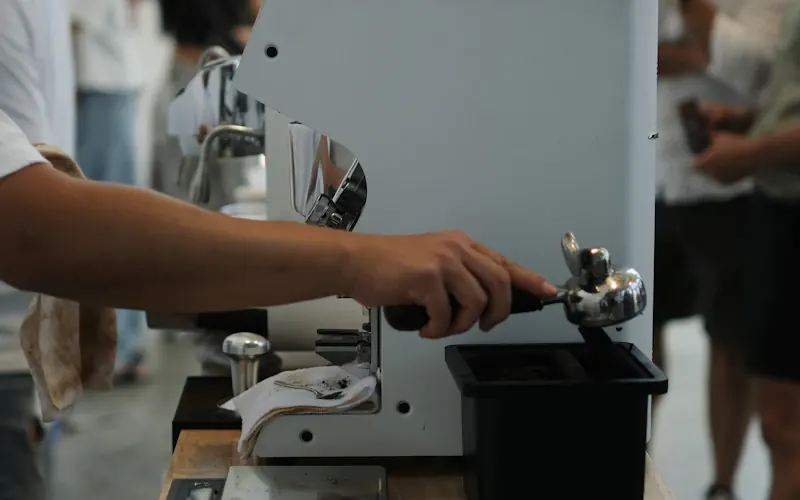
Six grinders ranked by budget, from €149 to €599: Baratza Encore ESP, 1Zpresso JX-Pro, Comandante C40 MK4, DF64 Gen 2, Eureka Mignon Specialita and Niche Zero. Flat vs conical burrs and how to choose.

Beginner Coffee Guide: First Setup Under €150, The Six Real Pitfalls
Your first coffee setup under €150: what to buy, in what order, and the six classic mistakes that derail most beginners. Grinder first, always. Machine second, if budget allows.

Coffee Enthusiast Guide: €500 Filter or €1000 Espresso Setup
At €500 for filter or €1,000 for espresso, the choices multiply: lever vs pump, flat vs conical burrs. This guide structures the decision toward a setup that will last a decade.

Coffee Gift Guide: What Works, What Fails, Budget €30-200
A great coffee gift isn't expensive, it's considered. Fresh beans, a precision scale, a roaster subscription, this guide covers what actually delights coffee lovers and what reliably misses.

Coffee Subscription Guide: Selection Logic, Subscription Boxes, Common Pitfalls
Specialty coffee subscriptions promise discovery, but not all deliver. This guide compares subscription models, flags the frequency traps, and explains what genuine selection criteria look like.

Buying Coffee in Belgium: Reference Roasters, Specialty Bars
MOK, Caffènation, Or Noir, Normo, Belgium's specialty coffee scene is remarkably dense for a small country. A guide to the reference roasters and unmissable specialty bars, city by city.

Decaf Coffee Guide: Swiss Water, CO₂, Ethyl Acetate Methods
Swiss Water Process, supercritical CO₂ extraction, and natural ethyl acetate produce very different decafs. This guide compares the methods and the aromatic profiles that result from each.
Origins
13 guides

Ethiopian Coffee Guide: Yirgacheffe, Sidamo, Harrar, Guji
The birthplace of wild coffee, Ethiopia produces dramatically different cups depending on altitude, jasmine and citrus in Yirgacheffe, dried fruit intensity in Harrar, spice in Sidamo. A whole world in one country.

Colombian Coffee Guide: Huila, Nariño, Antioquia
Three regions, three altitudes, three personalities. Nariño climbs above 2,300 m and delivers brighter, sharper cups than Huila's rounded sweetness. Altitude is Colombia's most important flavour variable.

Brazilian Coffee Guide: Cerrado, Sul de Minas, Mogiana
Brazil produces 40% of the world's coffee, and remains widely misunderstood. Cerrado and Sul de Minas deliver chocolatey, low-acid naturals that anchor most espresso blends on earth.

Kenyan Coffee Guide: AA, AB, PB, Acidity and Rift Valley Terroir
AA, AB, PB grades, cooperative washing stations, and that unmistakable blackcurrant-tomato acidity that makes Kenyan coffee identifiable in a blind tasting within seconds.

Yemeni Coffee Guide: Mocha Port, Ancient Varieties, Millennial Natural
The world's oldest cultivated coffee, grown on stone terraces at 2,000 m. Unselected ancient varieties, a centuries-old natural process, and a spiced, winey profile that can't be replicated anywhere else.

Guatemalan Coffee Guide: Antigua, Huehuetenango, Atitlán
Five distinct microclimates, five very different cups. Antigua benefits from volcanic ash soil, while Huehuetenango's cold, dry air slows cherry maturation to produce unusual aromatic complexity.

Peruvian Coffee Guide: Cajamarca, San Martín, Chanchamayo
Long overlooked, Peru has been quietly climbing specialty rankings since 2018. Cajamarca and San Martín produce floral, citrusy washed coffees at altitudes exceeding 1,800 m.

Panamanian Coffee Guide: Boquete, Geisha, World Reference Prices
Hacienda La Esmeralda's Geisha fetched $10,000/kg at Best of Panama 2021 auctions. Understanding why means understanding what terroir and variety together can achieve at their absolute peak.

Costa Rican Coffee Guide: Tarrazú, Tres Ríos, Honey Process
Costa Rica legally banned Robusta in 1988, the only country to do so. Tarrazú leads, but Tres Ríos honey-processed lots are quietly redefining the country's specialty profile with caramel sweetness.

Honduran Coffee Guide: Marcala, Copán, Santa Bárbara
Now Central America's top exporter by volume, Honduras flew under the radar for years. Marcala and Copán deliver well-structured, balanced cups at price points the specialty market rarely offers.

Sumatran Coffee Guide: Mandheling, Gayo, Wet-Hulled Process
Wet-hulling (Giling Basah) gives Mandheling its famously heavy, earthy body. Whether you love it or question it, Sumatran coffee never leaves you indifferent, and the Gayo highlands are rising fast.

Rwandan Coffee Guide: Washed Bourbon, Cooperative Washing Stations
Since 2000, Rwanda has rebuilt its coffee sector from scratch into a specialty powerhouse. Washed Bourbon from cooperative washing stations delivers a fruity-floral profile that rivals East Africa's best.
Brewing Methods
12 guides
Home Espresso Guide: Dose, Grind, Extraction, Ratio
Dose, grind, ratio, extraction time, four variables that produce thousands of different results. This guide demystifies espresso mechanics so every adjustment makes sense before you taste it.

Hario V60 Guide: Ratio, Pouring Pattern, Drawdown Mastery
The V60 is brutally honest, it exposes every grind flaw and rewards every quality the coffee has to offer. Complete guide from ratio to pouring pattern, targeting a 2 min 30 s drawdown.

French Press Guide: The Most Underrated Brewing Method
The French press is the most underrated brewer in specialty coffee. Mastered, it produces a density and roundness that no filter method can match. Timing, grind size, and the plunge explained.

AeroPress Guide: Pressure, World Champion Recipes, Versatility
The only brewer with its own world championships. Variable pressure, inverted technique, fast steep times, a €35 tool with an expressive range that surprises even experienced baristas.

Chemex Guide: Pure Filtration, Floral Coffee, Iconic Glass
The Chemex filter is 20-30% thicker than standard, that's what creates such crystal-clear, clean cups. Chemex coffee is floral, delicate, and often surprisingly light. Here's how to brew it right.

Moka Pot Guide: Pressure, Temperature, Perfect Roast
It's not espresso, moka pressure tops out at 1.5 bar versus 9. But dialled in correctly, it makes a dense, roasty coffee with a character all its own. The classic mistakes, and how to avoid them.

Cold Brew Guide: Long Immersion, Ratio, Filtration, Storage
12 to 24 hours cold extraction at a 1:8 ratio. Zero bitterness, concentrated sugars, preserved caffeine, but the bean choice matters enormously. This guide helps you avoid the common pitfalls.

Siphon Coffee Guide: Spectacle, Precision, Clean Aromatic Profile
The siphon is the most theatrical and technically precise brewing method. Full immersion followed by vacuum filtration produces a clean, brilliant aromatic profile unlike anything else in the brewer lineup.

Drip Coffee Machine Guide: Batch Brewing, Timing, Target Temperature
The electric drip machine is underestimated because it's typically misused. A machine reaching 93°C paired with a decent grinder produces consistency that's genuinely impossible to achieve by hand.

Ristretto, Espresso, Lungo: Ratios, Extraction and Key Differences
Ristretto 1:1 (15-25 ml, 15-20 s), espresso 1:2 (25-35 ml, 25-30 s), lungo 1:3 (45-60 ml, 35-45 s), the three espresso formats explained by their brew ratios, TDS and flavour profiles.
Equipment
10 guides
Coffee Grinder Guide: Flat vs Conical Burrs, Budgets, Brands
The grinder is the first investment, before the machine, always. Flat vs conical burrs, particle distribution, micron tolerance: everything that separates an extractable coffee from an uncontrollable one.

Espresso Machine Guide: Lever, Semi-Auto, Automatic, Dual Boiler
From hand lever to dual-boiler, the espresso machine market spans five price decades and three distinct use philosophies. This guide helps you choose by drinker profile, not just budget.

Coffee Kettle Guide: Gooseneck, PID, Variable Temperature
A gooseneck kettle with PID control measurably changes filter extraction. 1°C temperature precision, controlled flow rate, accurate bloom, the criteria that actually matter when you're pouring.

Coffee Scale Guide: 0.1g Precision, Timer Mode, Stability
Weighing to the tenth of a gram transforms a guessed recipe into a reproducible protocol. This guide covers scales with integrated timer mode, consistent readout stability, and adequate platform size.
Tamper and Distribution Guide: WDT, Leveling, Extraction Uniformity
The Weiss Distribution Technique and leveling tools have transformed home espresso. This guide explains why distribution uniformity matters as much as tamping pressure, often more.

Coffee Refractometer Guide: TDS, EY, Scientifically Precise Extraction
A refractometer measures TDS to calculate Extraction Yield. In plain terms: it tells you in 30 seconds whether your coffee is under-extracted, over-extracted, or inside the SCA golden cup window.

Travel Coffee Kit Guide: AeroPress Go, Foldable V60, Nomadic Setup
AeroPress Go, foldable V60, Wacaco Minipresso, this guide compares travel kits so you never have to drink hotel coffee again. Weight, cleaning ease, and actual cup quality compared.

Coffee Storage Container Guide: One-Way Valve, Materials, Shelf Life
The one-way valve lets CO₂ escape without letting oxygen in. Stainless steel, ceramic, or opaque glass, the materials that genuinely preserve the aromatic shelf life of freshly roasted coffee.
Single-Dose Espresso Grinding 2026: Retention, Freshness and Workflow
Grinding the exact dose per shot (0.3-1 g retention depending on model) preserves 60% of volatile aromatics lost within 30 minutes. Full comparison: 1Zpresso, Niche Zero, Comandante, Weber Key.
Best Manual Lever Espresso Machines 2026: Flair, Cafelat Robot, Londinium
Cafelat Robot (~€325, SCA Award 2019), Flair 58 (~€400-500), La Pavoni, direct lever vs. spring lever, manual pressure profiling and full 2026 comparison.
Post-Harvest Process
6 guides
Washed Coffee Guide: Cleanliness, Structure, Clean Acidity
The washed process removes pulp before fermentation, revealing terroir with nothing in the way. The result: clean acidity, precise structure, and a clarity that lets origin speak directly.

Natural Coffee Guide: Drying in Cherry, Intense Fruit, Risks
The whole cherry dries for 3 to 6 weeks in full sun. The fruit intensity that results is unlike anything else in coffee, but the margin for error is huge and defect risk is real.

Honey Process Coffee Guide: Yellow, Red, Black, Between Washed and Natural
Between washed and natural, honey retains some or all of the mucilage. Yellow, red, black honey: three drying degrees, three profiles ranging from subtle sweetness to intense tropical fruit.

Anaerobic Coffee Guide: Controlled Fermentation, Exotic Profiles, Controversies
Anaerobic fermentation in sealed tanks produces exotic flavour profiles, wine, kimchi, tropical fruit, that purists question and competition judges reward. The debate is genuinely open.

Wet-Hulled Coffee Guide (Giling Basah): Sumatra, Sulawesi, Earthy Body
Giling Basah is unique to Sumatra and Sulawesi: the bean is hulled at 50% moisture content. This process explains the dense body, low acidity, and earthy notes that define Mandheling.

Coffee Fermentation Guide: Microorganisms, pH Control, 2026 Trends
Fermentation is no longer accidental, it's engineered: pH monitoring, temperature control, selected microorganism strains. This guide covers the innovations and the controversies dividing the field.
Varieties
5 guides
Typica Coffee Variety Guide: The Historic Variety, Coffee's Genetic Matrix
Typica is the genetic ancestor of most cultivated coffee. Fragile, low-yielding, but extraordinarily refined, it remains the reference point from which nearly every other variety has mutated.

Bourbon Coffee Variety Guide: Sweetness, Classic Complexity, Red/Yellow/Pink Mutations
A natural mutation of Typica on Bourbon Island (now Réunion), Bourbon offers classic sweetness and complexity. Red, Yellow, and Pink Bourbon produce noticeably different sensory profiles.

Geisha Coffee Variety Guide: Why This Variety Disrupted the Market
Originally from Ethiopia, transplanted to Panama in the 1960s, Geisha exploded at Best of Panama 2004. Its extraordinary floral aromatic density has no equivalent, and its price reflects that.

SL28 & SL34 Coffee Guide: Kenyan Varieties, Bright Acidity, Blackcurrant
Selected by Scott Laboratories in the 1930s, SL28 and SL34 are the varieties behind Kenya's signature acidity. Blackcurrant, grapefruit, fresh tomato, identifiable blind at any cupping.

Pacamara Coffee Guide: Large Size, Bright Acidity, El Salvador and Beyond
A cross between Pacas and Maragogype, Pacamara produces giant beans with brilliant acidity and generous body. El Salvador and Nicaragua have made it their specialty flagship variety.
Roasting
4 guides
Light Roast Guide: Scandinavian Profile, Filter, Visible Terroir
Light roast stops before the first crack completes. It preserves acidity, terroir aromatics, and floral complexity, but demands a flawless bean, because there's nowhere to hide.

Medium Roast Guide: Versatility, Balanced Espresso, City Roast
Medium roast is the most versatile: it works for both filter and espresso, retains origin character while developing body. The comfort zone of the skilled roaster, and for good reason.

Dark Roast Guide: Italian Tradition, Body, Error Margins
Past the second crack, oils surface and origin aromas give way to roast character. This guide demystifies the Italian dark roast tradition without judgment, and explains its generous error margins.

Roast Freshness Guide: Degassing, Optimal Window, Storage
Coffee releases CO₂ for 72 hours after roasting. Too fresh = unstable extraction. Too old = oxidation. This guide defines the optimal freshness window for each brewing method.
Deep Dives
36 guides

Home Cupping Guide: Simplified SCA Protocol, Vocabulary, Flavor Wheel
Home cupping with a simplified SCA protocol: the essentials, tasting vocabulary, the flavor wheel, and how to actually train your palate without formal training or professional equipment.

Water for Coffee Guide: TDS, Hardness, Filtration, Why It Changes Everything
Water TDS, hardness, and pH influence extraction as much as grind size. This guide explains why tap water can ruin a €40 bag of coffee, and what to do about it.

Coffee and Dessert Pairing Guide: Logic by Origin and Process
Floral Ethiopian over panna cotta, earthy Sumatra with 85% dark chocolate, coffee-dessert pairings follow precise rules by origin and process. Tested combinations with explanations.

Caffeine Guide: Effects, Doses, Dependence, Metabolism, What Science Says
80-120 mg per espresso, 5-7 hour half-life, metabolism conditioned by CYP1A2, what science actually says about caffeine, dependency, and safe dosing, without the sensationalism.

Coffee and Health Guide: What Research Says in 2026
Four cups a day may reduce type 2 diabetes risk by 25%. This guide reviews 2020-2026 meta-analyses on coffee and health, no hype, just findings with appropriate nuance.

Belgian Coffee Roasters Guide: MOK, Or Noir, Caffènation, Normo and Others
MOK (Brussels), Or Noir (Namur), Caffènation (Antwerp), Normo (Brussels), a portrait of Belgium's artisan roasters, their sourcing philosophies, and their distinct roasting styles.

Specialty Coffee Bars in Belgium Guide: Brussels, Ghent, Antwerp, Liège
Brussels, Ghent, Antwerp, Liège, Belgium's specialty coffee bars ranked by city, with a profile of each venue and what distinguishes it in an increasingly competitive scene.

Cold Brew vs Iced Coffee Guide: Differences, Methods, Results
Cold brew (cold extraction, 12-24 h) versus iced coffee (hot brew chilled over ice): two processes, two very different cups, two distinct uses. This guide untangles the confusion.

Sustainable Coffee Labels Guide: Fair Trade, Rainforest, UTZ, USDA Organic
Fair Trade, Rainforest Alliance, UTZ, USDA Organic, four labels, four philosophies, four ground-level realities. What each one actually guarantees for the producer and the planet.

Coffee Capsules Guide: For and Against, Carbon Footprint, Real Quality
For or against capsules? Carbon footprint, actual cup quality, cost per shot, a judgment-free analysis. Plus the biodegradable alternatives that are genuinely changing the environmental math.

Instant Coffee Guide: Specialty Instant, Origins, How to Choose
Specialty instant has changed everything: freeze-dried micro-lot coffee at €8-15 per 50g. This guide separates the commodity powder from the new generation of genuine specialty instant.

Coffee Storage Guide: Oxygen, Light, Humidity, Refrigerator, Myths
Refrigerator or freezer? One-way valve bag or airtight tin? This guide dismantles the most persistent coffee storage myths and defines the protocol that actually preserves aroma.

TDS and EY Extraction Guide: Refractometer, Calculations, Golden Cup
TDS percentage, EY calculated from your recipe, a complete guide to using a refractometer and navigating the SCA golden cup window (18-22% EY) reproducibly.

Coffee Degassing Guide: CO₂, Bloom, Optimal Post-Roast Window
Bloom releases CO₂ trapped in freshly roasted coffee cells. Without it, gas creates bubbles that block extraction. The optimal bloom duration and rest period, by brewing method.

Milk Foam and Latte Art Guide: Cappuccino, Flat White, Steam Texture
Microfoam, rosetta, tulip, milk texture is a skill entirely of its own. This guide covers the 65°C target temperature, steam wand angle, and the classic mistakes that ruin the cappuccino.

AeroPress vs V60 Guide: Which Method for Which Coffee Profile?
Pressure vs gravity, short immersion vs percolation, body vs clarity: AeroPress and V60 produce fundamentally different cups. This guide makes the choice for you based on the coffee and flavour profile.

Grind Size by Brew Method Guide: Espresso, Filter, Immersion Full Chart
Complete grind size chart by method: espresso (200-400 µm), V60 (400-600 µm), French press (800-1000 µm), cold brew (1000+ µm), and how to adjust based on what you taste.

Coffee Terroir Guide: Altitude, Soil, Micro-Climate, What the Land Changes
Altitude, volcanic vs clay soil, micro-climate, variety, this guide breaks down each terroir variable and explains why two coffees from the same country can taste radically different.

Coffee Price Guide: From Producer to Cup, Value Chain Explained
From $2/kg at origin to €40 per 250g in-store, this guide traces the complete value chain and explains where the money goes, who captures what, and what the price actually reflects.

Direct Trade Coffee Guide: Beyond Fair Trade, Producer Relationships
Direct trade isn't a label, it's a practice: buying directly from producers at negotiated prices. This guide explains the real differences from Fair Trade and what genuine direct relationships require.

Home Coffee Roasting Guide: Drum, Popcorn Popper, Wok, DIY Methods
Drum roaster, popcorn popper, wok, three methods for roasting green coffee at home. Temperature curves achievable by each, and honest quality comparison versus professional roasting.

Coffee Micro-Lots Guide: Plot Traceability, Pricing, Why It Costs More
A micro-lot is under 5,000 kg from a single identified plot, a single producer. Full traceability, elevated price, rare profile, what genuinely justifies the premium versus what's marketing.

Coffee Competitions Guide: WBC, WCE, WBrC, Understanding Championships
WBC, WCE, WBrC, three championships, three disciplines: espresso, brewers cup, barista. This guide explains the rules, judging criteria, and what competitions contribute to the industry.

Coffee and Savory Food Pairing Guide: Rules, Surprises, Experiences
Coffee with aged cheese, smoked meat, ceviche, savory-coffee pairings work according to intensity and texture rules that this guide decodes with verified, repeatable combinations.

Italian Espresso Culture Guide: Tradition, Unwritten Rules, Bar Culture
Standing at the counter, drinking in 90 seconds, Italian espresso is a social institution. This guide decodes the unwritten rules, roasting standards, and why Italian espresso doesn't travel well.

Office Coffee Guide: Buying for Groups, Shared Machine, Real Quality
Batch machine vs pod machine, collective purchasing, shared grinder, this guide helps you build a quality office coffee setup without overspending or sacrificing what ends up in the cup.

Robusta Coffee Guide: Faults and Virtues, Espresso Blends, Specialty Canephora
Robusta has a bad reputation, often earned, sometimes unfair. This guide distinguishes low-grade commodity Robusta from specialty Canephora and its real role in Italian espresso blends.

Under- vs Over-Extraction Guide: Complete Sensory Diagnosis
Sour and hollow = under-extracted. Bitter and dry = over-extracted. This complete sensory diagnosis guide identifies the mistake without a refractometer, then fixes grind, time, and flow.

SCA Flavor Wheel Guide: How to Read It, Train Your Palate
The SCA flavor wheel has 110 descriptors organised from general to specific. This guide teaches you to use it properly: from level 1 (floral, fruity) to level 3 (jasmine, apricot, grapefruit).

Coffee and Technology Guide: Connected Machines, Apps, IoT Extraction
Connected espresso machines (Decent, Mara X), traceability apps, real-time temperature sensors, IoT is entering the cup. This guide examines what genuinely adds value versus what's novelty.

Roast Date Guide: How to Read a Label, Freshness Window
Roast date versus best before: only the roast date tells you what you actually need to know. This guide teaches you to read a coffee label and calculate the optimal freshness window.

Coffee and Wine Guide: Tasting Analogies, Shared Vocabulary
Terroir, vintage, variety, process, coffee and wine share a vocabulary and a tasting logic. This guide builds the bridges and identifies the false friends between the two worlds.

Coffee and Pregnancy Guide: Caffeine, Limits, Safe Alternatives
WHO recommends under 300 mg caffeine daily during pregnancy, roughly 2-3 espressos. This guide reviews the science and presents reliable decaf alternatives worth actually drinking.

Q Grader Certification Guide: Who They Are, How to Become One
The Q Grader is specialty coffee's most recognised tasting certification. A 22-test exam over 3 days, recertification every 3 years, what's assessed, and how to access the programme.

Arabica vs Robusta Coffee Guide: Fundamental Differences, Uses, Quality
Arabica (70% of market) vs Robusta (30%): two species, two profiles, two cultures. This guide goes beyond the cliché and explains when Robusta equals, or exceeds, Arabica.