☕ Key takeaways
- Belgium has a specialty roasting scene recognised well beyond its borders, with key roasters in Brussels, Ghent, Antwerp and Liège all exporting internationally.
- To buy quality coffee in Belgium, prioritise roasters who display the roast date, precise origin (farm or cooperative) and processing method on every bag.
- Specialty coffee bars in Brussels, Ghent and Antwerp are also reliable retail points, often stocking the same lots they serve at the bar, with staff who can guide your choice.
Buying Coffee in Belgium: Reference Roasters, Specialty Bars
3 key takeaways
- Belgium has a long and genuine relationship with coffee. The traditional café counter, strong, dark espresso served fast, often with a speculoos biscuit, is still very much…
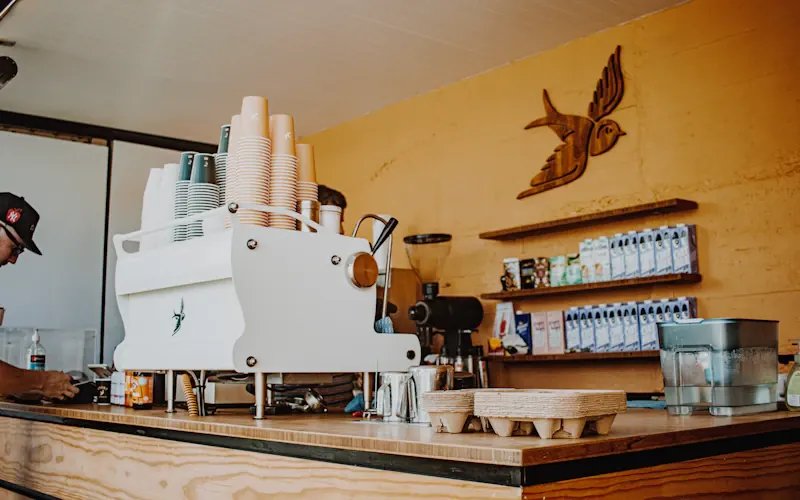
- This is the most complete option for buying quality Belgian coffee. The coffee is roasted on-site or nearby, guaranteeing maximum freshness. Staff can explain origins, roast…
- For a beginner, in-store is recommended: dialogue with a passionate professional accelerates learning and prevents purchase errors. For an enthusiast who knows their preferences,…
Belgium has a long and genuine relationship with coffee. The traditional café counter, strong, dark espresso served fast, often with a speculoos biscuit, is still very much alive. But over the past fifteen years, a new generation of specialty roasters and coffee bars has transformed the landscape. Today, Belgium has a specialty coffee scene comparable to the best in Europe, and navigating it, knowing where to buy, what to look for, and how to spot a serious roaster, opens up a level of quality most visitors and even locals haven't discovered yet.
What does Belgium's coffee scene look like today?
Traditional Belgian coffee culture is the culture of the brasserie: a quick espresso or filtered coffee at the bar, drunk standing or at a terrace table. This tradition remains omnipresent. But since the mid-2010s, a third-wave scene has developed, driven by entrepreneurs who rethought sourcing, roasting, and preparation from the ground up.
Belgium's third wave is characterised by direct-trade or relationship-sourced green coffee, careful roasting that preserves origin characteristics, professional-grade brewing equipment, and staff trained to explain and advise. The result is a fundamentally different coffee, more complex, more expressive, often brighter, that surprises regulars of the traditional dark-roast espresso tradition.
What types of places sell coffee in Belgium?
Specialty bars with in-house roasting
This is the most complete option for buying quality Belgian coffee. The coffee is roasted on-site or nearby, guaranteeing maximum freshness. Staff can explain origins, roast profiles, and recommended methods. You can taste before buying, a significant advantage. These places typically sell their coffees in whole-bean bags (250g, 500g, 1kg) with complete origin information.
Direct-from-roaster online ordering
Many Belgian specialty roasters, including those present in Brussels, Ghent, Antwerp, and other cities, sell directly online. The advantage is that coffee ships shortly after roasting, guaranteeing freshness. Most offer subscriptions or recurring orders. Always check the roast date displayed on the site before ordering.
Fine food shops and specialist wine merchants
Some fine food shops and wine merchants carry selections from quality Belgian or European roasters. Stock rotation is critical here: "specialty" coffee that's been on a shelf for three months has lost most of its aromatic interest. Check the roast date before buying, even at a recommended retailer.
Coffee markets and events
Belgium hosts several specialty coffee events each year. These markets and festivals let you meet roasters directly, taste multiple coffees, ask questions, and buy exclusive lots. It's the best way to survey the Belgian scene in one visit and sharpen your preferences quickly.
How do you recognise a serious Belgian roaster when buying?
| Indicator | Good sign | Red flag |
|---|---|---|
| Roast date | Clearly printed on bag or website | Absent or replaced by a vague "best by" date |
| Coffee origin | Country, region, farm or cooperative named | Anonymous blend "Guatemala/Colombia mix" |
| Tasting notes | Specific, linked to processing and variety | Generic ("chocolate, caramel") with no origin link |
| Roast profile | Light to medium for exceptional origins | Always dark, to mask defects |
| Supply chain transparency | Sometimes includes green coffee price paid | Zero information on sourcing |
| Recommended methods | Indicated per coffee by profile | One coffee "for all methods" |
What sets the Brussels, Ghent and Antwerp scenes apart?
Brussels has the most diverse and cosmopolitan scene. The Belgian capital hosts specialty roasters present in districts like Saint-Gilles, Ixelles, Schaerbeek, and the historic centre, each with their own stylistic approach. The presence of an international clientele, diplomatic, European institutions, expat, has historically pulled quality upward. You'll find multilingual specialty bars offering filter-focused menus (batch brew, single-cup V60, Chemex) comparable to the best Nordic city scenes.
Ghent is often cited as Belgium's most advanced city for specialty coffee culture. The university and creative city has developed a dense scene with specialty roasters present in pedestrian streets and central markets, recognized well beyond Belgian borders. The Ghent style tends toward light-to-medium roasts with a strong focus on African origins and natural process coffees.
Antwerp blends traditional Italian coffee culture (the port influence is strong) with a modern specialty scene. Specialty roasters present in the South quarter and the Zuid offer exceptional coffees, often with a stronger espresso orientation. The city is also a hub for green coffee trading, which explains its actors' particular sensitivity to traceability and fair pricing questions.
What's happening in Walloon Brabant and the Francophone scene?
Belgium's French-speaking specialty coffee scene developed more recently but with growing momentum. Quality bars and roasters are present in Liège, Namur, Louvain-la-Neuve, and Walloon Brabant. This Francophone scene tends to value a convivial, accessible approach, combining cup quality with warm atmosphere.
This "wine bar + specialty coffee" model is a strong trend in Francophone Belgium, reflecting the convergence of wine and quality coffee cultures.
Should you buy coffee online or in-store?
Buying online from Belgian roasters offers freshness (shipping just after roasting) and diversity (access to top lots without travelling). Buying in-store offers the ability to taste, ask questions, and leave with coffee in hand immediately.
For a beginner, in-store is recommended: dialogue with a passionate professional accelerates learning and prevents purchase errors. For an enthusiast who knows their preferences, an online subscription or order from a trusted roaster is often the most practical and freshest solution.
Belgium has the roasters it deserves. The same care I have brought to wine selection for two decades is what structures my coffee recommendations: traceability, freshness, producer-to-artisan dialogue, refusal of the industrial.
What should you look for when navigating the Belgian coffee market?
Belgium's coffee retail landscape has transformed significantly over the past decade. The supermarket aisle, historically dominated by vacuum-packed blends of uncertain origin and roast date, now shares shelf space with specialty bags from local roasters, some displaying roast dates, origin details, and even producer names. The challenge for the consumer is not finding good coffee but distinguishing genuine quality signals from marketing decoration.
The most reliable indicator of specialty quality in the Belgian market remains the roast date. Any bag that does not display a roast date, only a "best before" date 12 or 24 months in the future, should be treated with skepticism. Coffee degrades after roasting, and roasters who are proud of their product display the roast date prominently. The optimal window for most filter coffees is 7-21 days post-roast; for espresso, 10-28 days. Buying coffee roasted within this window and consuming it within a few weeks of purchase is the single most impactful quality decision any coffee buyer can make.
Specialty coffee shops and roastery retail spaces are the most reliable source of fresh, high-quality coffee in Belgium. These operations, where the person behind the counter typically knows the coffee's origin, the roaster's sourcing approach, and the appropriate brewing parameters, provide a level of information and freshness that even the best supermarket cannot match. Several Belgian roasters operate both wholesale and retail, with online direct-to-consumer shipping that reaches consumers across the country within one to two days of roasting.
Belgian farmers' markets and artisan food events have become an increasingly important channel for specialty coffee discovery. Micro-roasters who lack the capital for a permanent retail space have found that weekly market presence builds loyal local followings and allows face-to-face conversation about sourcing and brewing, the kind of relationship that converts occasional buyers into committed regulars. If you encounter a market coffee vendor who can tell you the farm, the processing method, and the roast date of what they're selling, that vendor is worth attention.
How do Belgian roasting styles range from light to dark?
Belgian roasters do not cluster around a single house style, a diversity that reflects the country's position at the intersection of Nordic light-roast culture and Italian/French medium-to-dark-roast tradition. Understanding where a given roaster sits on this spectrum helps predict what their coffees will taste like before you buy.
The light-roast contingent, several Brussels and Antwerp roasters, and a growing number of Flemish operators, aligns with Scandinavian specialty philosophy: minimal roast development, high acidity preservation, origin transparency as the primary value. These coffees are designed for filter preparation, V60, Chemex, Kalita Wave, and perform poorly as espresso without significant recipe adjustment. Their flavour profiles reward attentive brewing and quality water; they reveal their limitations quickly if brewed carelessly.
The medium-roast majority represents the Belgian mainstream of specialty. These coffees balance origin character with roast development, producing a more approachable cup for consumers transitioning from commercial blends. They work across a wider range of preparation methods, filter and espresso, and are the safest choice for someone buying Belgian specialty coffee without knowing the recipient's brewing setup or flavour preferences.
The dark-roast tradition persists at the craft level in Belgium, particularly in the Italian-influenced espresso culture of some Brussels and Walloon establishments. These coffees prioritise body, bitterness balance, and crema stability over origin transparency, the roast character is the intended flavour, not a obstacle to origin expression. For consumers who genuinely enjoy dark-roast espresso and want a Belgian artisan alternative to commercial blends, these roasters fill a legitimate niche that lighter-roast ideology sometimes forgets.
What brewing equipment can you buy in Belgium for a home setup?
Building a quality home coffee setup in Belgium has become considerably easier as the specialty infrastructure has matured. Specialty retailers, both physical and online, stock the full range of brewing equipment that the international specialty community has converged on as best-in-class: Hario V60 in multiple materials, Kalita Wave, Chemex, AeroPress, and an expanding range of high-quality moka pots from Italian manufacturers who have updated their designs for contemporary specialty use.
Grinders represent the highest-value single investment in a home setup, and the Belgian market has improved dramatically in this regard. Entry-level hand grinders from Comandante, Timemore, and 1Zpresso are available through Belgian specialty retailers and online, offering precision and consistency that was previously only achievable with expensive electric grinders. Electric burr grinders from Baratza, DF64, and Niche Zero are stocked by several Belgian importers with local warranty support, an important practical consideration for equipment that needs occasional servicing.
Water filtration has become a point of genuine interest among Belgian home brewers, particularly in Brussels and other high-hardness municipalities. Brita-style pitcher filters reduce limescale risk but do not achieve the mineral profile optimization that dedicated brewing water systems or recipe mineral additions can deliver. For the enthusiast willing to go further, Belgian online communities and specialty retailers provide the information and materials to build custom brewing water from a distilled or reverse-osmosis base, an advanced step that makes a measurable difference with quality coffees.