Best French Press 2026: Ranked by Use
- The French press is the simplest way to draw out the full body of a specialty coffee, as long as your grind is coarse and even
- Budget glass: Bodum Brazil (~22 EUR) or Bodum Chambord (~35 EUR, borosilicate glass and steel)
- Grit-free cup: Espro P3 (~49 EUR, double micro-filter)
- Coffee stays hot: Fellow Clara (~90 EUR) or Frieling (~109 EUR), double-walled steel
- Best of both worlds: Espro P7 (~149 EUR), double filter and double-wall insulation
Which French press is worth buying in 2026, and for whom?
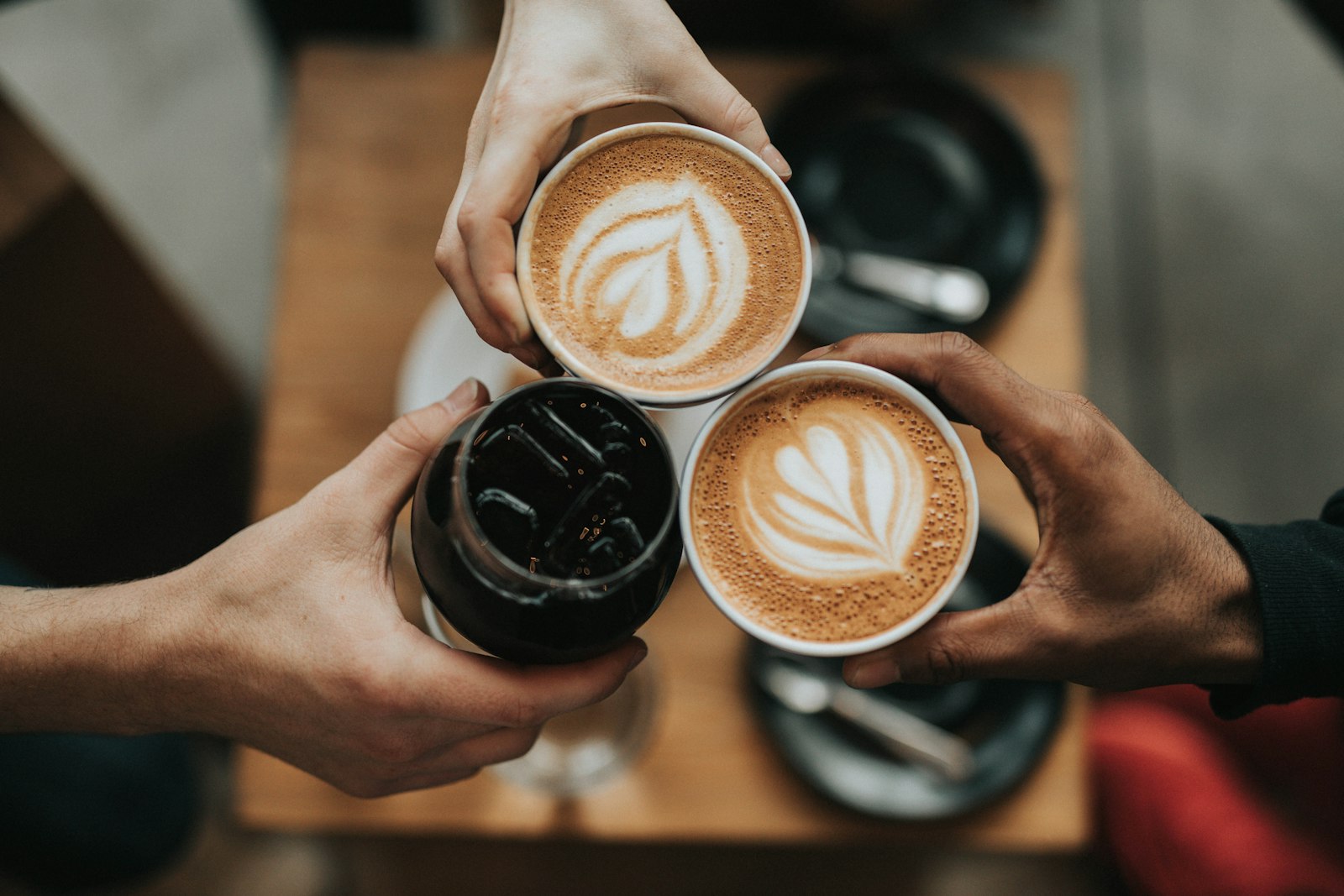
Six presses, from 22 to 149 euros, cover just about everything anyone asks of the method. There is a small irony at the heart of the French press. It is the brewer everyone learns on, the one that hides in the back of the cupboard at every house party, and yet most people never get a genuinely good cup out of one. The reason is almost never the press itself. I spent a wet afternoon in Ghent last winter brewing the same beans side by side in four different presses, and the cups that disappointed all shared one fault: the grind, not the gear. Get a coarse, even grind into any decent press and the method does the rest, pulling out a round, full-bodied cup that paper filters quietly strip away.
So this round-up is organised by what you actually want from the cup, not by a meaningless overall score. After steep-time trials, sediment checks and the kind of heat-retention testing that only matters once the coffee has been sitting for twenty minutes, here are the six French presses I would point a friend towards in 2026. Prices are ballpark figures in euros, checked against manufacturers and European retailers in September 2026 (an EU and Belgian readership deserves EUR, not a converted guess). They move with stock and promotions, so treat them as a snapshot.
| Model | Material | Filter | Capacity | Indicative price (EUR) | Best for | Buy |
|---|---|---|---|---|---|---|
| Bodum Brazil | Glass + plastic | Single | 1 L (8 Bodum cups of 120 ml) | ~22 EUR | Starting on a budget | Check price on Amazon |
| Bodum Chambord | Borosilicate glass + steel | Single | 1 L (8 Bodum cups of 120 ml) | ~35 EUR | The versatile classic | Check price on Amazon |
| Espro P3 | Borosilicate glass + plastic | Double | 950 ml (32 oz) | ~49 EUR | Clean, grit-free cup | Check price on Amazon |
| Fellow Clara | Double-walled steel | Single (enhanced mesh) | 710 ml | ~90 EUR | Design and long heat retention | Check price on Amazon |
| Frieling double-walled | 18/10 double-walled steel | Double screen | 1 L | ~109 EUR | Lifetime build, 5-year warranty | Check price on Amazon |
| Espro P7 | Double-walled steel | Double | 950 ml | ~149 EUR | Clean cup AND hot coffee, the flagship | Check price on Amazon |
* These links may earn a commission if you make a purchase, at no extra cost to you. Learn more.
The classics: Bodum Chambord and Bodum Brazil
You cannot write about French presses without starting at Bodum, the Danish house founded in Copenhagen in 1944 and run from Switzerland since 1978, behind the silhouette everyone pictures. The Bodum Brazil (~22 EUR) is the ideal way in: borosilicate glass, a plastic frame, a single metal mesh. For around twenty euros it does exactly what a French press should, no frills. The Bodum Chambord (~35 EUR) steps up with a stainless-steel frame, a tidier lid and the same Portuguese-made borosilicate carafe. It is the one I recommend most often: handsome enough for the breakfast table, sturdy enough to last years, and a single filter that lets the oils through for a properly full-bodied cup.
A clean cup: Espro P3
The French press has one nagging flaw: the layer of fines that settles at the bottom of the cup. The Espro P3 (~49 EUR) solves it with its patented double filter, two micro-perforated meshes that nest together and trap particles far more effectively than a single screen. The carafe is German Schott-Duran borosilicate that Espro rates at 40 percent thicker than the industry standard, so it shrugs off heat better. The result is a remarkably clean cup, close to the clarity of pour-over while keeping the body of immersion. Slide a paper disc between the two screens, which Espro supports, and you can push it cleaner still. It is my pick for anyone who cannot stand sediment.
Coffee that stays hot: Fellow Clara and Frieling
Glass cools fast. If you like to linger over your coffee or drink it across a morning, double-walled steel changes everything. The Fellow Clara (~90 EUR) is the most elegant of the lot: a vacuum-insulated steel body, a non-stick interior that wipes clean but must never meet a metal spoon, an enhanced filtration mesh and a 710 ml capacity. The Frieling (~109 EUR) plays the industrial-robustness card: polished 18/10 steel, a patented two-stage screen, a five-year warranty stated by the maker and a full litre. Both hold heat for thirty to sixty minutes and shrug off knocks and travel without complaint.
Best of both worlds: Espro P7
The Espro P7 (~149 EUR) merges the two ideas above: the micro-perforated double filter of the Espro range and a vacuum-insulated double-walled steel body. You get both a clean, grit-free cup and coffee that stays hot, in an object built to last. It is the top of the category, the choice for anyone who wants a single French press for life.
Where do the coffee oils end up in a metal-filtered cup?
In your cup, every last drop of them. That is the whole point of a steel screen: it holds back the grounds and lets the lipids through, which is why a press cup coats the tongue and lingers where a paper-filtered one feels bright and thin. The diterpenes carried by those oils, cafestol and kahweol, ride along too. Paper retains a large share of them; metal, single or double, retains essentially none.
Fines are a separate question, and this is where the two filter designs part ways. One mesh, as on the Bodum Brazil and Chambord, stops the grounds but lets the dust through, and that dust keeps extracting in the cup while you drink. Two nested micro-perforated meshes, as on the Espro P3 and P7, cut that carry-over sharply; Espro seals the assembly with a silicone lip that presses the screen against the wall so nothing slips past the rim. Frieling gets there with a pre-filter followed by a fine mesh, and the Fellow Clara stays on one tightened screen, its Enhanced Filtration Mesh, good but short of two stages.
So you can dial the oils down without giving up immersion. Both the P3 and the P7 accept a paper disc between the two micro-filters, which strips oils and particles and lands the cup somewhere close to pour-over clarity. Skip the paper and you keep the fat, the weight and the long finish that people come to a press for in the first place.
Should you buy for a fuller cup or a cleaner one?
Answer that first and the shortlist writes itself, because the two cups sit at opposite ends of the same category.
Fuller means a single mesh and a wide-open path for the oils: Bodum Brazil (~22 EUR) or Bodum Chambord (~35 EUR). You get weight, a syrupy mouthfeel and a thin veil of sediment at the bottom that most press drinkers stopped noticing years ago. Nothing above 35 EUR buys you a fuller cup than this.
Cleaner means two filtration stages: Espro P3 (~49 EUR) in glass, Espro P7 (~149 EUR) in steel, or the Frieling (~109 EUR) with its pre-filter and fine screen. The body is still there, the grit is not, and adding a paper disc inside an Espro takes it a step further still.
Size is where the labels mislead. Bodum counts in 4 oz cups, roughly 120 ml, so an "8 cup" press holds one litre and pours about four mugs rather than eight. The 710 to 950 ml of the Fellow Clara, P3 and P7 covers one or two drinkers, and a press filled close to the line extracts more evenly than a big one half empty.
Then there is the screen you will replace. Mesh warps, clogs and slowly starts passing more fines than it did new. Bodum, Espro and Frieling all sell spares for a few euros, which is worth checking before you commit to a brand nobody stocks.
How do you keep the body without the mud in four minutes?
Body and mud come from two different places, which is lucky, because it means you can keep one and lose the other. Body is oil, and immersion gives it to you for free. Mud is suspended dust, and that you control with the grind and with the last twenty seconds.
- Grind: coarse, like coarse sea salt. Anything smaller than the mesh aperture will reach the cup whatever the press costs.
- Ratio: about 1 g of coffee to 15 g of water, so 30 g to 450 ml.
- Water: just off the boil, around 92 to 94 degrees Celsius. Pour, stir once, then leave it alone.
- Steep: 4 minutes, lid on, plunger up. The heaviest particles settle on their own during this window.
- Plunge: 15 to 20 seconds in one continuous motion. Never lift the plunger back up once it is down, which stirs the bed straight back into suspension.
Pour generously, then stop before the last centimetre, where the sediment gathers. If the carafe will not empty in one go, decant the rest off the grounds; the oils are already in the liquid, but the extraction is not finished, and bitterness climbs within minutes.
What turns a French press cup bitter or cloudy?
Five habits account for almost all of it, and not one of them is solved by buying a different press.
- A grind that is too fine: this is mistake number one. Fines slip through the filter, cloud the cup and release a harsh bitterness.
- Steeping too long: past 4 to 5 minutes the coffee over-extracts and turns astringent. Serve or decant.
- Plunging too hard: pressing fast stirs up the bed and lifts fines back into the cup. Take it slow.
- Boiling water at 100 degrees: too hot, it scalds the coffee and sharpens bitterness. Wait 30 seconds after the boil.
- Skipping the filter clean: rancid oils build up in the mesh and taint the cup. Rinse after every brew.
Frequently asked questions about French presses
Which French press should I choose to start?
To start, the Bodum Brazil (~22 EUR) or Bodum Chambord (~35 EUR) are the best choices: simple, sturdy, borosilicate glass, with a single filter that is plenty for learning the method. There is no need to spring for an insulated double-filter model until you have the coarse grind and ratio dialled in.
How do I avoid sediment at the bottom of the cup?
Three levers: use a coarse, even grind (a burr grinder is essential), plunge slowly without stirring up the bed, and pick a double-filter model such as the Espro P3 or P7 that traps fines far better than a single mesh. Also stop short of pouring the last few millilitres, where the sediment concentrates.
Does a French press keep coffee hot?
Glass models (Bodum, Espro P3) cool within about ten minutes. To keep coffee hot for 30 to 60 minutes, choose a vacuum-insulated double-walled steel model such as the Fellow Clara, the Frieling or the Espro P7. Either way, decant the coffee off the grounds to stop the extraction.
Ready to choose your French press?
See the best French presses on Amazon →Go further: Best coffee grinders 2026 · Specialty coffee FAQ · All buying guides
Affiliate links: as an Amazon Associate, expertcafe.be earns from qualifying purchases, at no extra cost to you. Learn more.