☕ Key takeaways
- Anaerobic fermentation takes place in sealed, oxygen-free tanks, producing unusual aromatic compounds (alcohols, esters) not found in standard washed or natural coffees.
- There are two main types: anaerobic natural (whole cherry) and anaerobic washed (depulped cherry), with radically different cup profiles.
- Controlling pH (typically 3.8-4.5) and temperature is the key parameter for avoiding off-flavours and ensuring batch-to-batch reproducibility.
Anaerobic Coffee Guide: Controlled Fermentation, Exotic Profiles, Controversies
3 key takeaways
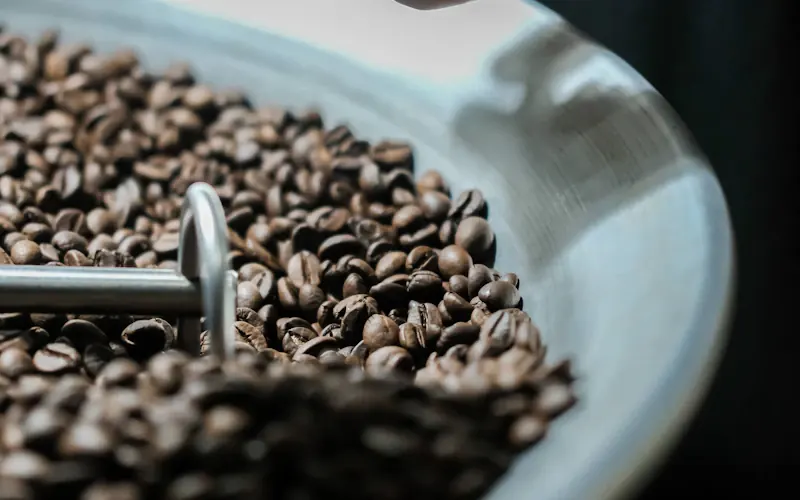
- Imagine opening a bag of coffee and reading tasting notes like "passion fruit, cinnamon, hibiscus, rum." Your first reaction might be: is this actually coffee, or is someone…
- Anaerobic coffees are among the most expensive in specialty. Serious competition-grade micro-lots (Gesha anaerobic from Panama, heirloom anaerobic from Ethiopia) fetch between 30…
- A coffee labelled "anaerobic fermentation" can cover very different realities. Here's what to look for:
Imagine opening a bag of coffee and reading tasting notes like "passion fruit, cinnamon, hibiscus, rum." Your first reaction might be: is this actually coffee, or is someone adding flavouring? Anaerobic fermentation is the honest answer to that question, and it turns out the answer is genuinely fascinating. This is the processing method where coffee cherries or depulped beans are sealed inside oxygen-free tanks, where a completely different community of microorganisms does the fermentation work and produces aromatic compounds that simply don't exist in traditionally processed coffee. The results can be extraordinary. They can also be divisive. This guide explains the science, the flavours, the origins, and the ongoing debate about whether anaerobic coffee is the future of specialty, or just very expensive theatre.
What happens during fermentation without oxygen?
All coffee processing involves fermentation at some level. When a coffee cherry or depulped bean sits exposed to air and moisture, naturally occurring yeasts and bacteria begin breaking down the sugars in the fruit. This is aerobic fermentation, fermentation in the presence of oxygen. The dominant organisms in aerobic environments produce mainly lactic acid, acetic acid (vinegar-like), and simple alcohols.
Remove the oxygen, and the metabolic playing field shifts dramatically. Anaerobic organisms, yeasts like Saccharomyces cerevisiae and bacteria like Lactobacillus and Leuconostoctake over. These organisms follow different metabolic pathways. They produce more esters (the organic compounds responsible for fruity and floral aromas), more complex organic acids (succinic, malic), and less acetic acid. Succinic acid in particular contributes a distinctive savouriness and depth that you rarely find in other processes. The ester compounds are what make anaerobic coffees smell and taste like tropical fruit, spices, or even spirits.
CO₂ produced during anaerobic fermentation is vented through a one-way valve (often a simple airlock of the kind used in homebrewing) that prevents oxygen from entering while allowing gas to escape. Without this valve, pressure would build until the tank fails, which is why proper equipment management is non-negotiable.
What is the difference between anaerobic natural and anaerobic washed?
Anaerobic natural
The whole cherry, skin, pulp, mucilage, goes into the sealed tank. Fermentation of the pulp produces aromatic compounds that penetrate the bean through the parchment. After fermentation, cherries are dried on raised beds just like a classic natural. The profile is very intense and often described as "extreme" by those who prefer classic coffee: highly tropical fruits (mango, fermented pineapple, passion fruit), alcoholic warmth, sweet spices, sometimes rose or jasmine. This is the wildest version of anaerobic and requires the most careful monitoring.
Anaerobic washed (wet anaerobic)
Cherries are first depulped mechanically, then the bean with its mucilage and parchment is placed in a sealed tank with water. Fermentation happens in an oxygen-free aqueous environment. After fermentation, the bean is washed and dried like a standard washed coffee. The profile is cleaner and more precise than anaerobic natural, distinct exotic fruit notes but without the "wild" intensity of the whole cherry. This is the preferred style for many competition roasters who want exotic profiles without losing control.
Which parameters control anaerobic fermentation?
What separates a great anaerobic lot from a disaster is precision in managing these key parameters:
- Temperature: tanks are often kept in cold rooms (10-18°C) to slow fermentation and favour ester production over acid production. At tropical ambient temperature (25-30°C), fermentation is faster and the margin for error shrinks dramatically.
- pH monitoring: the initial pH of the tank (typically 5.5-6.5) is measured continuously throughout fermentation. A pH dropping below 3.5 signals excessive acetic or lactic acid production. Serious anaerobic producers stop fermentation at a precise target pH.
- Duration: 24 hours for a light anaerobic, up to 120 hours (5 days) for the most intense competition lots. Longer duration = more intense profiles but higher defect risk.
- Selected yeast inoculation: some advanced producers add selected yeast strains to guide fermentation toward specific flavour targets (more fruity, more floral, more spicy). This practice is controversial, see section 6.
- Pressure: some producers work with slight positive CO₂ pressure inside the tank to further modify metabolic pathways. This is cutting-edge and not yet standard practice.
What does anaerobic coffee taste like?
Well-executed anaerobic coffees produce profiles that often surprise, and sometimes polarise, tasters:
- Dominant flavours: tropical fruits (mango, pineapple, passion fruit, guava), sweet spices (cinnamon, cardamom, pepper), floral notes (rose, hibiscus), sometimes whisky, rum, or lacto-fermented notes (kombucha, kefir)
- Body: variable depending on whether natural or washed base, always with a characteristic silky texture from the ester compounds
- Acidity: softer and rounder than classic washed, often with pronounced malic acid (stewed apple quality)
- Finish: long and complex, sometimes with a pleasant warmth reminiscent of aged spirits
- Sweetness: high, anaerobic fermentations typically produce a pronounced residual sweetness
Which origins are known for anaerobic coffee?
- Colombia, Huila, Nariño, Cauca: the world leader in experimental anaerobic. Colombian producers have won numerous World Barista Championship titles with anaerobic lots. The high-altitude micro-climates allow slow, controlled fermentation with remarkable results.
- Costa Rica: building on honey process expertise, Costa Rican producers have developed anaerobic washed lots in Tarrazú and Naranjo with impressive technical precision.
- Ethiopia: anaerobic processing on heirloom varieties combines Ethiopia's naturally floral and fruity terroir with anaerobic complexity for sometimes staggeringly layered results.
- Panama, Boquete: Gesha variety processed anaerobically produces some of the world's most expensive and sought-after micro-lots. Annual auctions from Boquete regularly set price records.
Why is anaerobic coffee so controversial?
Anaerobic fermentation generates more heated debate in specialty coffee than almost any other topic. Here are the main positions honestly presented:
Critical voices
- "It's marketing, not coffee": Some traditionalists argue that profiles this far from classic coffee constitute adulteration rather than enhancement. When a coffee tastes of passion fruit and rose, what exactly are we celebrating?
- Yeast inoculation = indirect flavouring: Adding selected yeast strains to the fermentation tank is seen by some as indistinguishable from adding flavour compounds directly. The SCA has ongoing discussions about where to draw the line in competition rules.
- Lot-to-lot inconsistency: Anaerobic fermentations are highly sensitive to variations in ambient temperature, starting microbiome, and cherry ripeness. Reproducibility is a genuine challenge.
- Prices decoupled from intrinsic quality: The exoticism of profiles allows some lots to be priced far above what their terroir complexity would justify in a traditional process context.
Voices in favour
- Legitimate sensory expansion: Anaerobic opens coffee to people who come from natural wine, craft beer or fermented foods, audiences that might never engage with a classic washed coffee.
- Economic empowerment: For small-plot producers, anaerobic processing is a pathway to premium prices that can transform household incomes.
- Rigorous science when done well: The best anaerobic producers work with microbiologists, oenologists and fermentation labs. It's applied science, not guesswork.
How do the main coffee processes compare?
| Process | Fermentation environment | Duration | Dominant profile | Technical complexity | Controversy level |
|---|---|---|---|---|---|
| Anaerobic natural | Sealed tank, whole cherry | 24-120 h | Tropical, spiced, intense | Very high | High |
| Anaerobic washed | Sealed tank + water | 24-72 h | Exotic fruit, clean, precise | Very high | Moderate |
| Classic natural | Open air, whole cherry | 15-35 days | Red fruits, wine-like | Medium | Low |
| Classic washed | Open tank + water | 12-36 h | Floral, bright acidity | Low-medium | Very low |
| Black honey | Open air, full mucilage | 20-30 days | Concentrated red fruit | Medium-high | Low |
How do you read an anaerobic coffee label?
A coffee labelled "anaerobic fermentation" can cover very different realities. Here's what to look for:
- Natural or washed anaerobic: two very distinct profiles. If not specified, ask the roaster.
- Fermentation duration: listed on serious lot sheets. 48-72 hours is often the sweet spot between complexity and cleanliness.
- Fermentation temperature: low-temperature fermentation (10-18°C) generally means more precision and lower defect risk.
- Inoculated or spontaneous fermentation: some producers disclose this. Neither is inherently better, but it changes how you interpret the "terroir" claim.
- SCA score: serious anaerobic lots start at 85+ SCA. Competition lots reach 89-91.
- Roast date: anaerobic coffees are very expressive just after roasting but can evolve quickly. Within 4 weeks is ideal.
Why is anaerobic coffee so expensive?
Anaerobic coffees are among the most expensive in specialty. Serious competition-grade micro-lots (Gesha anaerobic from Panama, heirloom anaerobic from Ethiopia) fetch between 30 and 150 euros per 100g at specialist Belgian roasters. For a quality-correct anaerobic (85+ SCA), expect 10-20 euros per 100g. The premium reflects: potential lot loss if fermentation goes wrong, near-constant monitoring requirements, and the scarcity premium attached to exotic profiles. The question to ask as a buyer: am I paying for intrinsic quality or for the "wow" sensory effect? A well-documented lot with a transparent producer behind it is worth the premium; a generic "anaerobic" from an unknown source is not.
Anaerobic fermentation is coffee's frontier. It pushes what "coffee" means right to the edge, far enough to unsettle some, to fascinate others. It's not just a trend. It's a genuine exploration of what biochemistry can extract from a single bean. But like every frontier, it needs rigorous explorers, not reckless adventurers.